
It is understood that compared to adult masks, children’s masks have a smaller market size and the sizes and specifications of children of different ages vary greatly. Group standards have higher requirements for the material of children’s masks, so it is very important to choose excellent mask materials. Yes, here the editor recommends a new material to everyone, which is PTFE filter material for children’s masks.
The new “Civil Hygiene Masks” group standard stipulates that fabrics that are in direct contact with the skin must not be dyed. However, this requirement does not apply to the outer layer of the mask. Whether the outer layer of the mask is dyed and whether it has various patterns is designed by the company itself. Standards Make no demands.
But Professor Jin Xiangyu said bluntly: “Be careful when buying beautiful masks!” Because the pigments used to dye children’s masks must meet food-grade standards. On the contrary, masks dyed with chemical raw materials will have negative effects if worn for a long time.
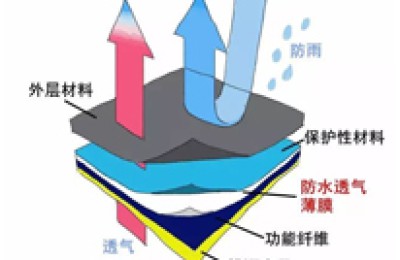
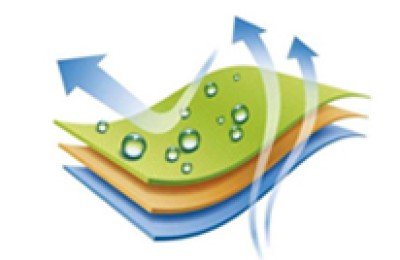
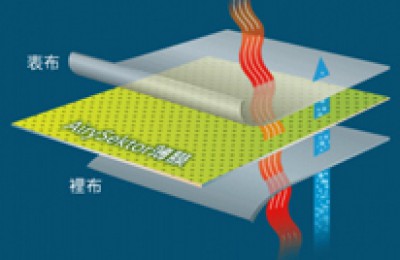
The ptfe filter material of children’s masks has high-density micropores, which is refreshing and breathable. The film has the excellent characteristics of micropores, hydrophobicity and non-moisture absorption. Water vapor is not easy to accumulate, and it can quickly wick away moisture, keeping it fresh and breathable for a long time.
Due to the different materials of masks, the effects are also different. Non-woven fabrics and ordinary cotton fabrics will attenuate with filtration time, while masks made of ptfe film material are long-lasting and stable, can be self-cleaned, have the same resistance, and filter It is also more efficient than ordinary masks.
</p