
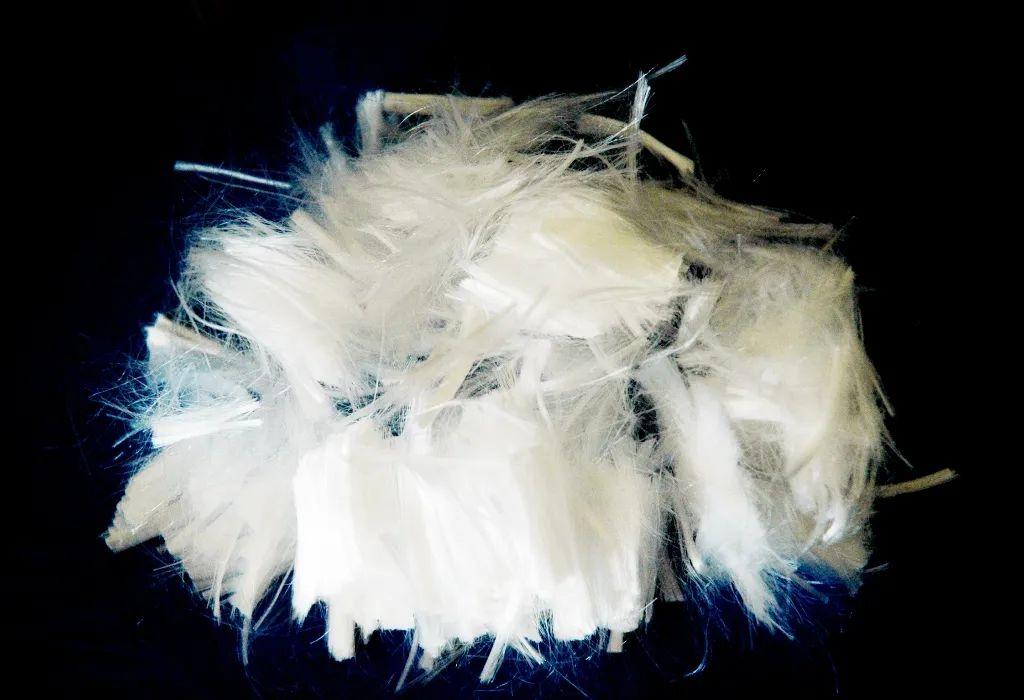
Polyester fiber accounts for a large part of the clothing fabrics people wear now. In addition, there are also acrylic, nylon, spandex, etc. Polyester fiber, commonly known as “polyester (dí) fiber”, was invented in 1941 and is currently the largest variety of synthetic fibers. The biggest advantage of polyester fiber is that it has good wrinkle resistance and shape retention, high strength and elastic recovery ability, and is durable, wrinkle-resistant, non-ironing, and non-sticky. This is the main reason why modern people like to use it.
What are the advantages and disadvantages of polyester (dí) fiber in clothing fabrics? What fibers can it be blended with?
Polyester fiber (polyester) can be spun into polyester (polyester) short yarn and polyester (polyester) filament. Polyester staple fiber is polyester staple fiber, which can be divided into cotton type staple fiber (length 38mm) and wool type staple fiber (length 56mm), which are used for blending with cotton fiber and wool. Polyester filament is polyester filament. As a clothing fiber, its fabric can achieve wrinkle-free and iron-free effects after washing.
What are the advantages and disadvantages of polyester (dí) fiber in clothing fabrics? What fibers can it be blended with?
- The advantages of polyester fiber (polyester) are:
1. It has high strength and elastic recovery ability, so it is durable, wrinkle-resistant and does not require ironing.
2. It has better light resistance. In addition to being worse than acrylic fiber, its light resistance is better than natural fiber fabrics, especially The light resistance of fiberglass is almost the same as that of acrylic fiber.
3. Polyester (polyester) fabrics have good resistance to various chemicals and are not damaged by acids or alkalis. It is large and not afraid of mold or insects.
- The disadvantages of polyester fiber (polyester) are:
1. Poor hygroscopicity, not strong water absorption, easy to feel stuffy, poor melting resistance, easy to absorb dust, due to its texture;
2. The breathability is poor and not easy to breathe;
3. The dyeing performance is poor and needs to be dyed with disperse dyes at high temperatures.
What are the advantages and disadvantages of polyester (dí) fiber in clothing fabrics? What fibers can it be blended with?
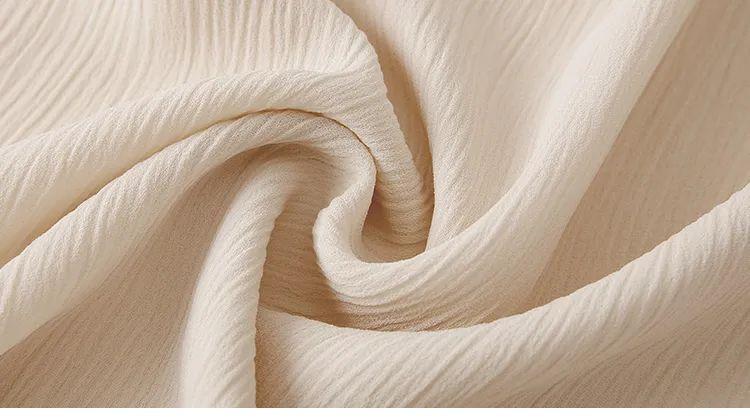
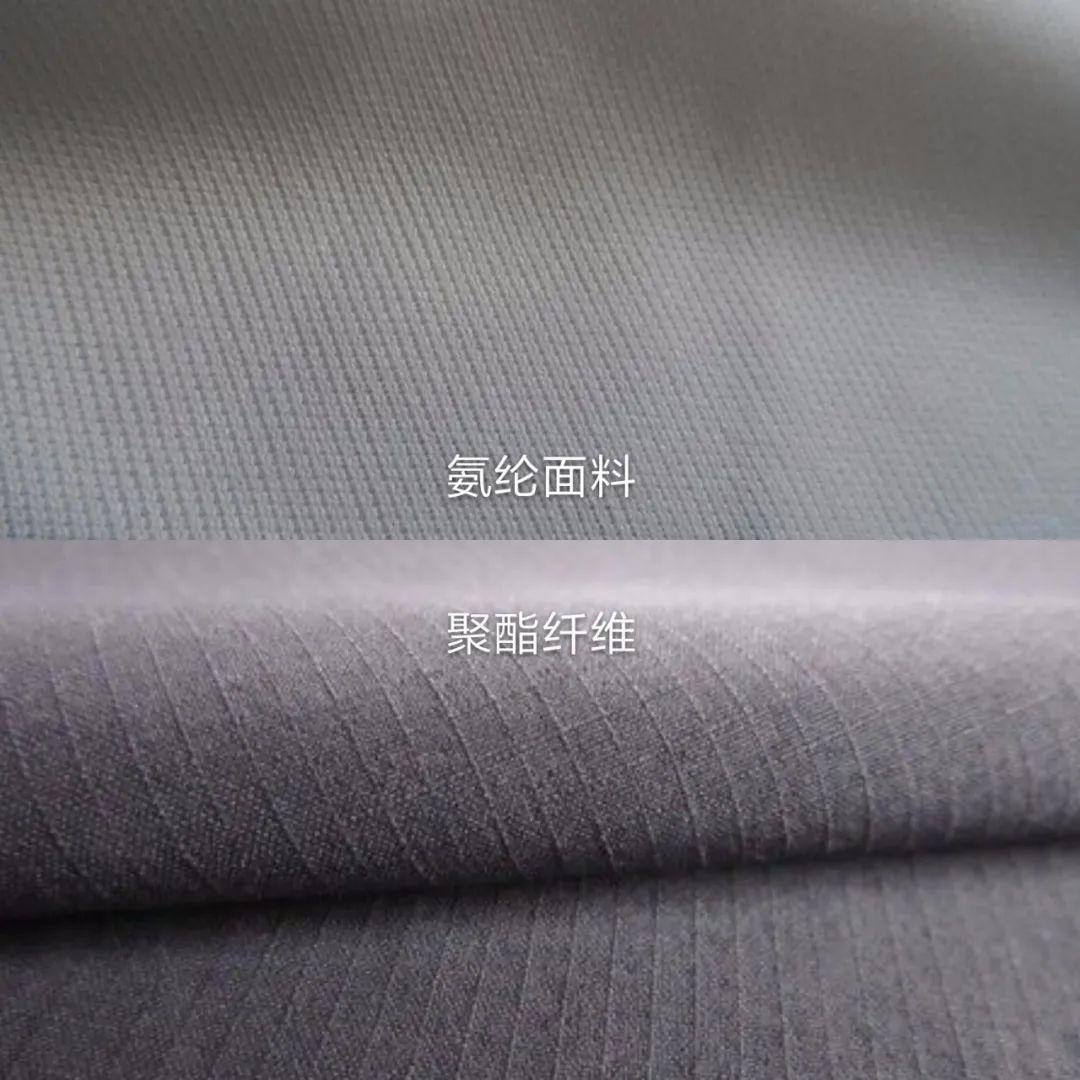
Polyester fiber (polyester) fabric is a non-natural synthetic fiber and is often used in autumn and winter fabrics, but it is not suitable for underwear. Polyester is acid-resistant. Use neutral or acidic detergents when cleaning. Alkaline detergents will accelerate the aging of the fabric. In addition, polyester fiber (polyester) fabrics generally do not require ironing, just light ironing with low-temperature steam.
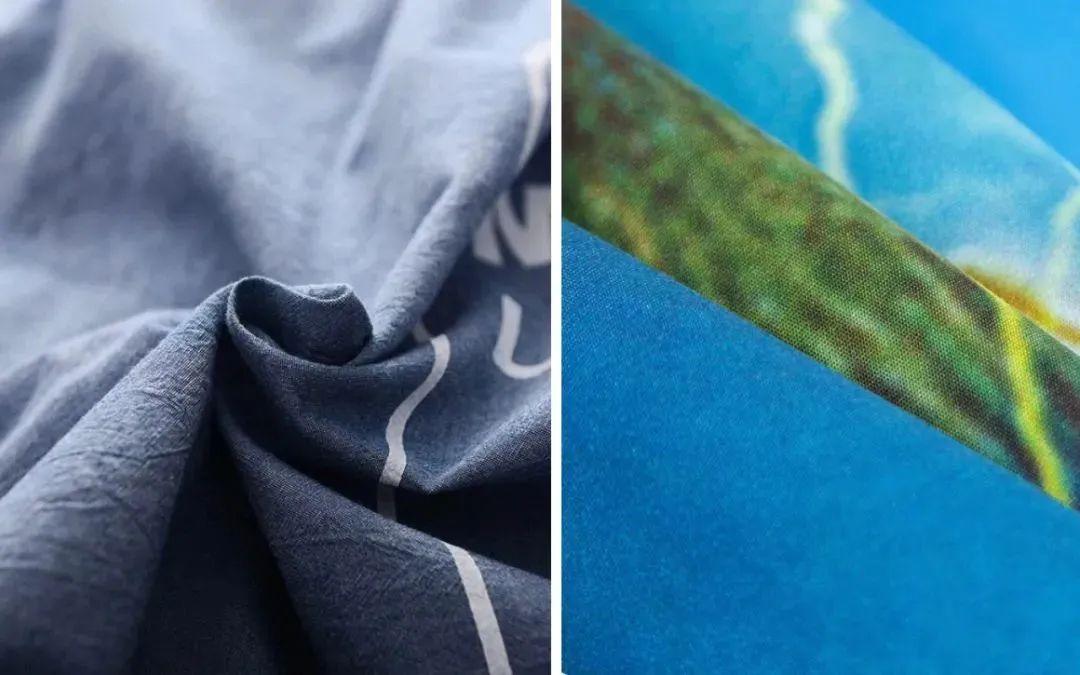
Many clothing manufacturers now often blend or interweave polyester with various fibers, such as cotton-polyester, wool-polyester, etc., which are widely used Used in various clothing and decorative materials. In addition, polyester fiber (polyester) can be used industrially for conveyor belts, tents, canvas, cables, fishing nets, etc., especially polyester cords for tires, which are close to nylon in performance. Polyester can also be used in electrical insulation materials, acid-resistant filter cloth, medical industrial cloth, etc.
What are the advantages and disadvantages of polyester (dí) fiber in clothing fabrics? What fibers can it be blended with?
As a textile material, what fibers can polyester fiber (polyester) be blended with, and what fabrics are it commonly used in?
Polyester fiber has high strength, high modulus and low water absorption. It is used as a civilian fabric and industrial fabric. All have a wide range of uses. As a textile material, polyester (polyester) short fiber can be spun purely or blended with other fibers. It can be blended with natural fibers such as cotton, linen, wool, etc., or with other chemical short fibers, such as Viscose fiber, acetate fiber, polyacrylonitrile fiber, etc.
Polyester fiber (polyester) pure spinning or blended imitation cotton, imitation wool, Imitation linen and other fabrics generally have the original excellent properties of polyester fiber, such as wrinkle resistance, abrasion resistance, etc., but some of its original shortcomings, such as poor sweat absorption and air permeability, and easy melting into cavities when exposed to sparks. etc., can be alleviated and improved to a certain extent with the mixing of hydrophilic fibers.
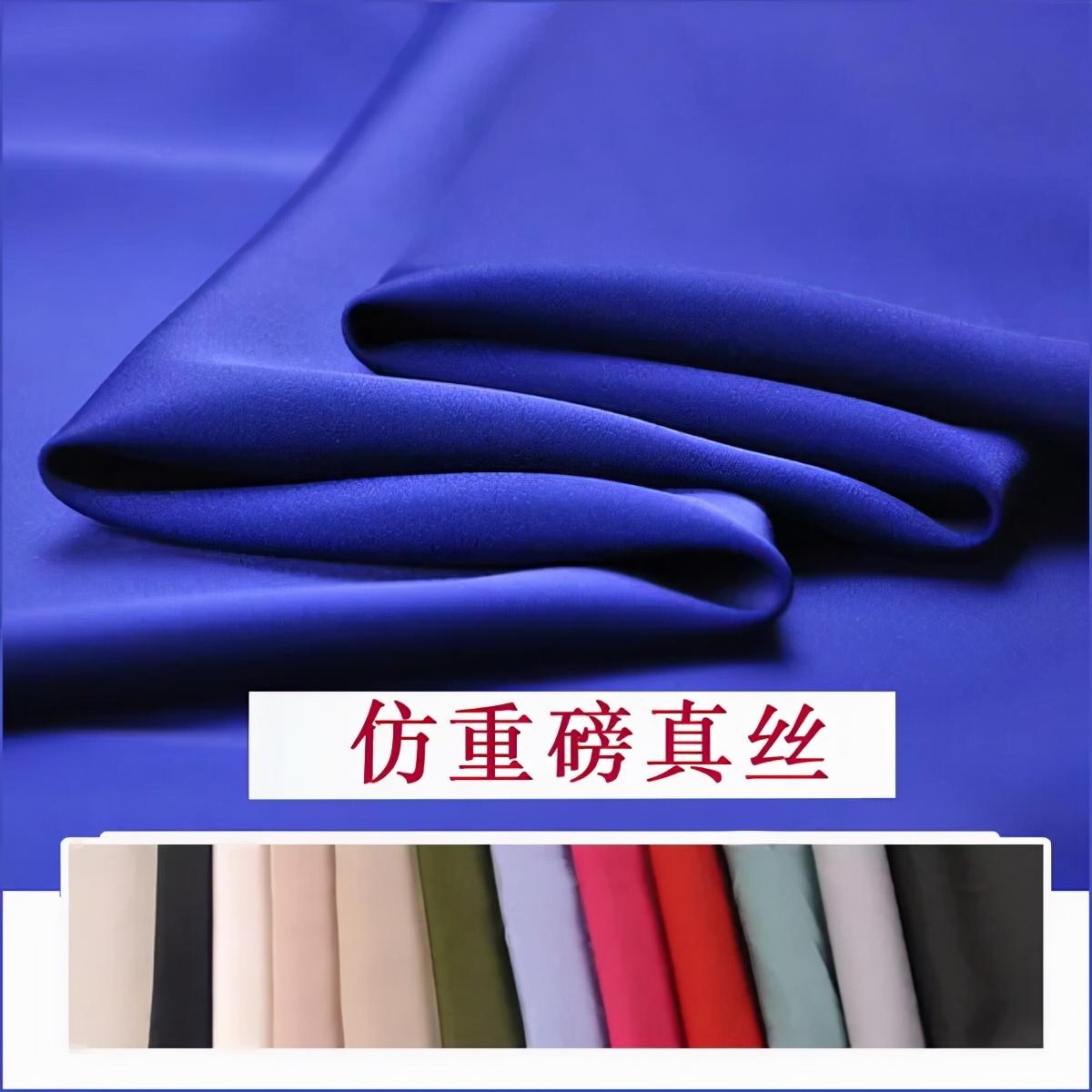
Clothing fabricsWhat are the advantages and disadvantages of polyester fiber polyester (dí) fiber, and what fibers can it be blended with?
Polyester twisted filament (DT) is mainly used to weave various imitation silk fabrics. It can also be interwoven with natural fibers or chemical short fiber yarns, or with silk or other chemical fiber filaments. This interwoven fabric maintains a series of advantages of polyester.
The main variety of polyester fiber (polyester) developed in my country in recent years is polyester textured yarn (mainly low elastic yarn DTY). It is different from ordinary filament in that it has high fluff, large curl, strong wool feel, softness, and high elastic elongation (up to 400%).
Garments containing polyester textured yarn have the characteristics of good warmth retention, excellent coverage and drape, and soft luster, such as Imitation wool, coats, jackets and various decorative fabrics such as curtains, tablecloths, sofa fabrics, etc.
——————————————
The above is what the editor introduces to you about the advantages and disadvantages of polyester fiber (dí) in clothing fabrics, which fibers are often blended with, and related fabrics that are common in life. Later The editor will continue to introduce knowledge about clothing fabrics to everyone. If you don’t understand something or want to know more, you can leave a message to the editor. The editor will reply in time after seeing it~