

Just after the winter solstice, the temperature dropped sharply, and some areas in the north received the first snow. People wanted to wrap themselves into rice dumplings. In the cold winter, keeping warm has become a top priority, and cashmere, a top-grade fabric that is both warm and comfortable, is naturally favored by many fashionable consumers.
Cashmere can be called the “soft gold” in the fabric industry. It is extremely light (generally less than one pound, and the weight is 1/5 of wool), and extremely warm (warmth-keeping The effect is 1.5-3 times that of wool), extremely soft (soft, waxy and delicate, as if wrapped in a cloud).
Everyone who has touched or worn cashmere clothing knows how good it is. A good cashmere item can accompany you for decades. Throughout the ages, many social celebrities have loved cashmere. The middle class of all ages have considered cashmere products as one of their main choices when purchasing clothing.
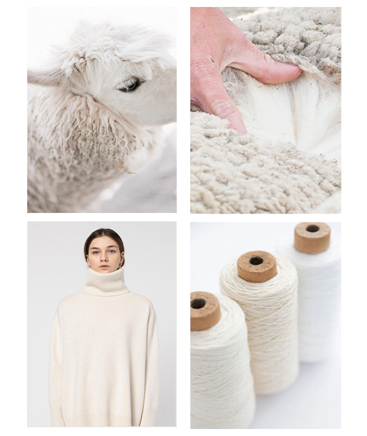
When we mention cashmere, we think not only of its precious and unique character, but also of its expensive price. Any pure cashmere sweater on the market is expensive, which makes many consumers wonder: Why is cashmere so expensive? What exactly is the difference between it and wool?
In fact, although “cashmere” and “wool” differ only by one word, they are essentially different. Cashmere is expensive for a reason! As a professional editor who is well versed in the differences in fabrics, today I will tell you about the five major reasons why cashmere is expensive:
1. Top-quality fiber
h1>
Cashmere is the top natural fiber and has fiber properties that cannot be replaced by any other fiber. Cashmere is a thin and curved fiber that contains a lot of air and forms an air layer. It can protect against the invasion of external cold air and retain body temperature without lowering it. Cashmere is much finer than wool, and its outer scales are denser and smoother than wool. Therefore, it is lightweight, soft and tough. As the most top-notch fabric, the preciousness of cashmere is self-evident.
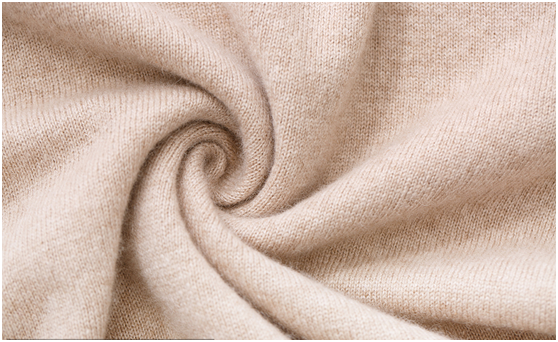
2. The output is small and extremely rare
The output of cashmere is scarce, accounting for only 1% of the world’s 0.2% of total animal fiber production. Global wool production is over one million tons, while cashmere is only about 20,000 tons. When traded in the market, cashmere is calculated by the gram.
If all the cashmere produced in the world every year is used to make cashmere sweaters, then every 5,000 people in the world can share one piece. If all the sheep wool produced in the world every year were used to make sweaters, then everyone in the world could own two sweaters.
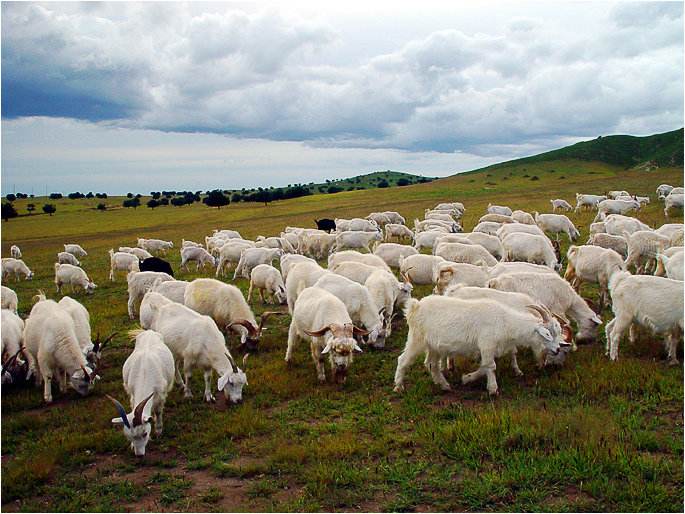
Inner Mongolia, my country, is the main producer of cashmere in the world, accounting for about 70% of the total output. Every year in early spring, cashmere is eagerly ordered by various high-end clothing brands, so the price of cashmere is also expensive due to its scarcity.
3. Collection is difficult and labor costs are high
The collection methods of cashmere and wool are completely different . Wool is collected from coarse wool, which is cut directly from the sheep; while cashmere is a layer of fine hair covered by the goat’s skin, which requires experienced herdsmen to comb it out bit by bit. The collection cost is several times higher than that of wool, which also adds a certain cost.

Four. The process is complex and the cost is high
Cashmere needs to be replaced during the textile process For meticulous protection. Not only does it require high-end knitting machines for production, but waxing, washing, and ironing also require professional cashmere-specific wax, lotion, and ironing equipment. At the same time, in the face of such a luxurious and delicate fabric as cashmere, the design also requires more professional and experienced designers to complete. Pattern making and production workers also need professional masters. Therefore, the entire design and production process is several times more expensive than other fabrics.
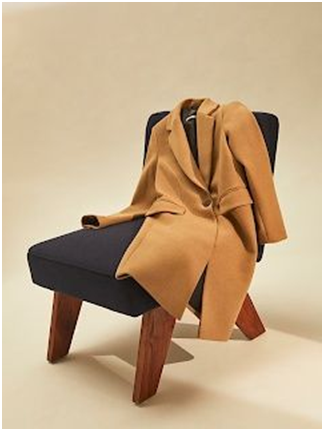
5. The choice of the royal family, with its own precious gold properties
180 years ago During the years of Queen Victoria’s accession to the British throne. Cashmere has become the favorite clothing fabric of the British royal family. Not only that, many traditional royal nobles, such as the Spanish royal family and the Japanese royal family, regard cashmere as a symbol of the royal family. This has also led to the entire society’s impression of the preciousness and luxury of cashmere.