
When buying clothes or other fabrics, we often see the count and density. In fact, as consumers, we often ignore these factors, but the count of the fabric And density often determines the quality and characteristics of fabrics. This article will give you a comprehensive introduction to the two concepts of fabric count and density.
What is fabric count?
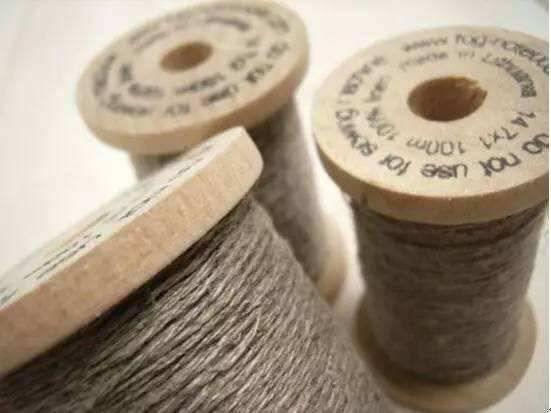
Our more common counts are 30s, 40s, 60s, etc. The count is a unit used to reflect the standard of yarn thickness. The length of each gram of heavy yarn is the count. For example, one gram of cotton can be made into 40 meters of yarn, the corresponding count is 40 (S). How much influence does the count have on the fabric? Generally speaking, the lower the count, the thicker the corresponding yarn and the thicker the cloth. On the contrary, the higher the count, the thinner the yarn. Fabrics tend to be more comfortable, but because high-count fabrics have higher requirements for raw material quality, the price of the fabric will also be higher. For bedding, it is recommended to choose fabrics above 40S.
What is density?
The number of warp and weft yarns per unit length is called the density of the fabric. For example, the fabric density is 110*90/inch, which represents a 1-inch-long fabric. There are 110 and 90 yarns in the warp and weft directions respectively. , generally speaking, the higher the density of the fabric, the higher the technical cost will be. Even for fabrics with the same count, if the density is different, the corresponding prices may vary a lot.
What is the appropriate fabric count?
When purchasing home textiles, remember that it is not that the higher the count, the better, but the price of high-count fabrics will tend to be higher. When the density is the same, the higher the count, the better. The choice of fabric with a thread count depends on the purpose of the fabric, and there is no saying that fabrics with a low thread count are not of good quality.
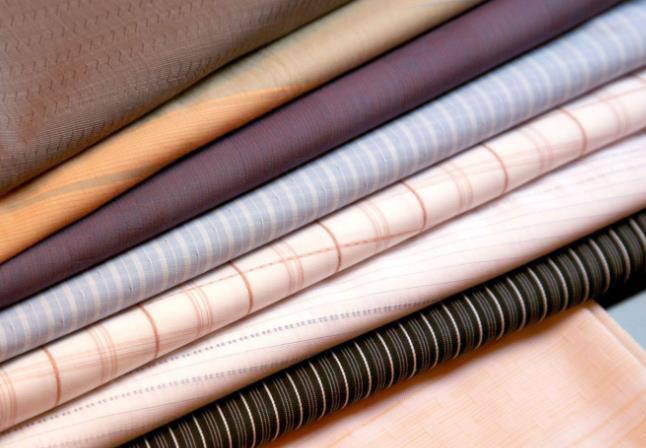
Clothing count:
Clothing The requirements for fabric count are relatively high, especially for suits, which are generally made of high-count wool fabrics, generally above 100S or even 250S, which is why the price of suits is relatively high. The thread count of shirts is generally between 60S and 80S, which is more suitable. Of course, the thread count of high-end shirts may exceed 100S. The requirements for T-shirts are not that high. The number of T-shirts currently on the market is mostly between 21S and 40S.

Bedding:
According to the bed The use scenarios and functional characteristics of the products, because the fabric will be thinner if the thread count is too high, which will greatly reduce the warmth retention effect of this type of fabric. Fabrics of 60S and above are not suitable for the production of bedding. For bedding, 40S fabric is better. There are many big brands that use 30S and 40S fabrics.
Of course, the count is only one of the factors that determine the quality of the fabric. The type of fabric and the weaving process of the fabric also need to be considered comprehensively. I hope you have read the article. Later you will have a more in-depth understanding of the count and density of the fabric.