
Today we will talk about the relationship between “clothing” and “environmental protection”.
Many people may not know the direct relationship between buying clothes and environmental protection when they see this title. Clothes, as an indispensable daily necessities in our lives, have always played a vital role from the initial function of covering the body, keeping warm and keeping out the cold, to the current “a person’s dressing determines his external image.” effect.

Cashmere dress
The original materials for clothes were animal skins and leaves, and then people Natural animal and plant fibers such as pure cotton, silk, cashmere, linen, and sheepskin were discovered. With the rapid rise of processing and manufacturing technology, various synthetic fibers and man-made fiber fabrics have appeared on a large scale in modern clothing. In recent years, people have begun to advocate the “fast fashion” concept of buying clothes and buy clothes like crazy.

Fast fashion clothes are of poor quality and not durable, resulting in a lot of waste.
Especially female friends do not hesitate to spend a lot of money on clothes. According to global statistics, since 2000, the average amount of clothes purchased per person per year has increased by 60% compared with the past; Xianyu user survey statistics show that urban women buy clothes at least twice a month, and 80% of clothes will be sold after they are out of season. Forgotten and unused in the closet, the number of clothes purchased is still growing at a rate of 15% every year.

Most of the seasonal clothing from fast fashion brands are trendy and colorful, but of poor quality. As a result, many people are always buying clothes, but when they open their wardrobe, they feel that there is nothing they can wear. In order to comfort themselves, many people once used the slogan “last year’s clothes are not worthy of my temperament this year” to persuade themselves to continue buying.
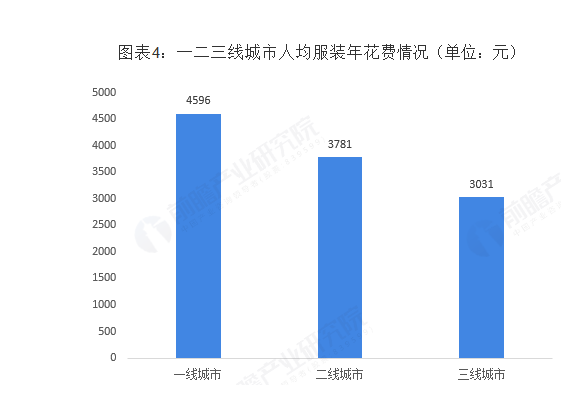
Picture source: Qianzhan Industry Research Institute
In the past, one piece of clothing could be worn many times In 2017, most of today’s clothes are discarded after being worn for half a year to a year. The consumption of clothes is increasing, but their practicality is getting lower and lower.
Data from the China Circular Economy Association shows that approximately 26 million tons of used clothes are thrown into trash cans in my country every year, and this figure will increase to 50 million tons after 2030. Currently, most used clothes are still disposed of by landfill or incineration, both of which cause serious environmental pollution.

Not only does discarding clothes pollute the environment, clothing production also has huge hidden dangers of environmental pollution.
Constrained by the increasing demand for clothing in the market year by year, the clothing manufacturing industry also processes and produces at the lowest possible cost.
Cause secondary pollution to the environment. Since global cotton production has been in short supply, in order to shorten the maturity period of cotton,
Some suppliers spray pesticides on cotton, resulting in pesticides, preservatives and fungicides, such as pentachlorophenol, remaining on the cotton fibers. Some quite toxic and difficult-to-degrade chemicals also remain on the product, which can cause itching, allergies and even skin diseases during wearing. In addition, the pollution caused by printing, dyeing and washing processes to the human body and the environment cannot be underestimated.
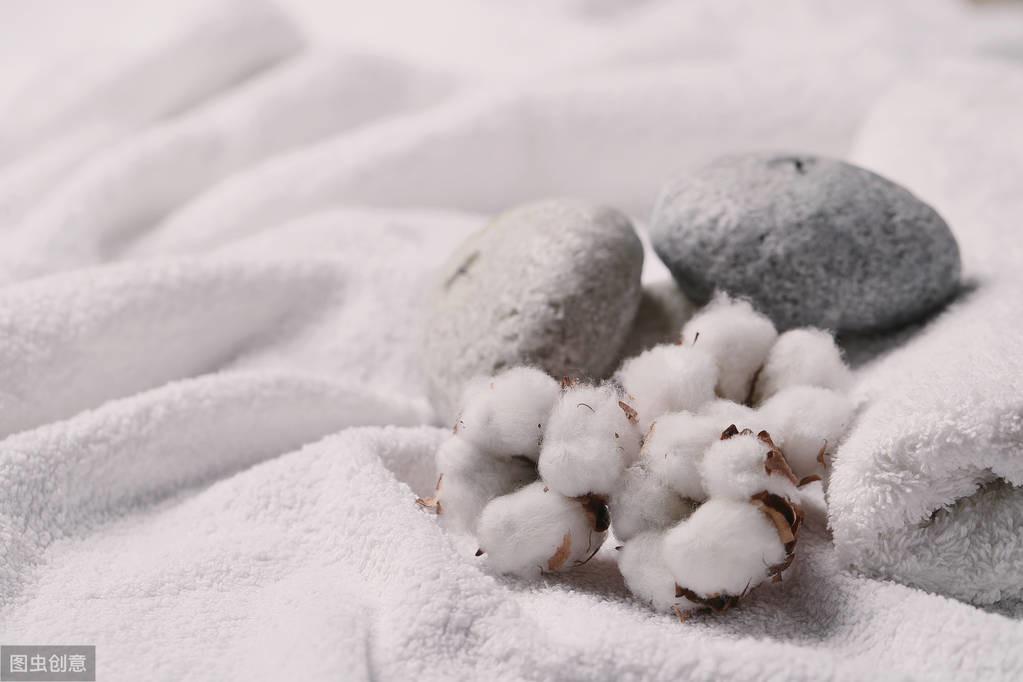
The printing and dyeing industry is a key link in the textile industry.
It is also one of the important processes in the entire textile industry chain. In the entire textile industry chain, the printing and dyeing industry supports the weaving industry and underlies the garment industry;
In the denim industry, washing is a crucial link. If the entire production process of the product does not meet the national requirements for clean production, a large amount of sewage will be discharged that will have a serious impact on the environment. Poor control will also lead to heavy metals. (Lead, copper and cadmium) exceed the standard, and the final product poses a hazard to human health through contact with human skin.
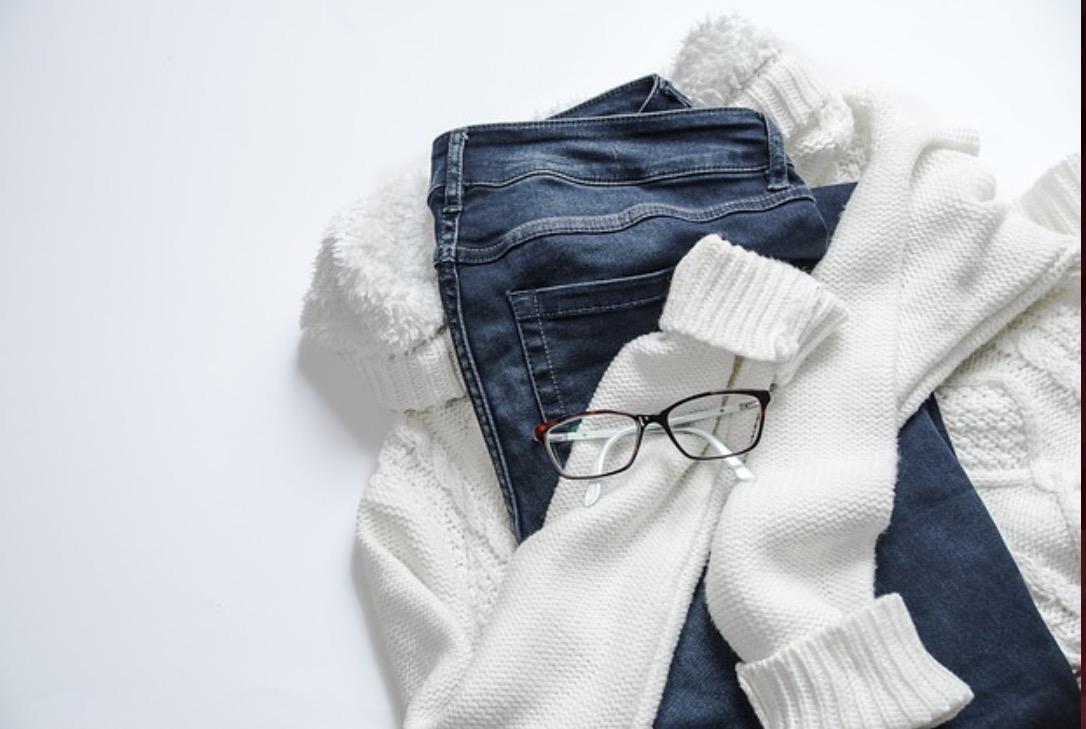

Choose to buy healthy and safe clothing to protect the environment.
In the Internet age of excess material and information, it is extremely important for us to maintain a clear attitude towards consumption.
Return to the original meaning of clothes, choose the clothes you really need, consume rationally, and reduce environmental pollution.��Support environmentally friendly companies and buy safe, healthy, Class A safety-rated clothing instead of following fashion trends and making impulsive purchases that ultimately lead to waste.