
Pure cotton is an essential clothing fabric in our daily lives. It is light, breathable, soft and sweat-absorbent, and is a good natural fiber. Therefore, when it comes to the concept of skin-friendly and natural dressing, people will intuitively think of pure cotton first. But when we buy clothes, it is not difficult to find that the price of the same cotton clothes varies greatly, from a few yuan to tens of millions or even tens of thousands of yuan. What is the difference between them? On some shopping websites, a pure cotton white T-shirt costs 20 yuan with free shipping, while for some luxury brands, a white T-shirt costs thousands. What is the difference? As a professional in the industry, the editor is here to help you understand the truth:
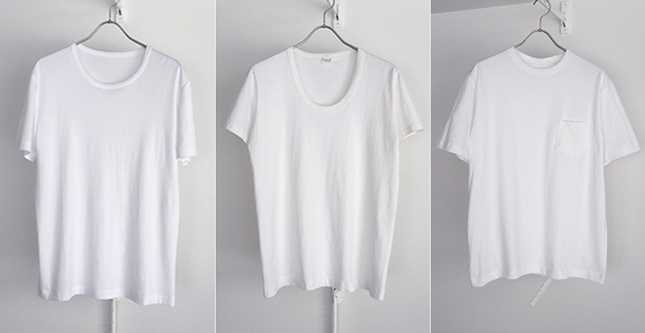
1. Different raw materials
The main component of pure cotton fabrics is naturally cotton, so the quality of cotton determines the quality of the fabric. It is understood that there are many types of cotton with strict grades. According to the cultivation conditions of cotton and the length and thickness of the fiber, it can generally be divided into:
1. Coarse velvet Cotton
Also called Asian cotton. Generally refers to cotton varieties of medium cotton and straw cotton. The fibers of this cotton are generally thick and short, and are elastic. Because the fiber quality is poor, thick, hard, short, and white in color, its use value is relatively low. Now it has been basically eliminated in our country, and there is no production in other parts of the world.
2. Fine velvet cotton
Also called upland cotton . It is the cotton we most commonly see. This kind of cotton is white or milky white in color and has a mercerized sheen. It accounts for 85% of the world’s total cotton production and is currently the main cotton variety cultivated in my country.
3. Long-staple cotton
Also called sea island cotton . This kind of cotton has long and thin fibers, soft texture, milky white or light yellow color, and high quality. It is the highest quality variety among all cottons. The countries currently producing long-staple cotton mainly include Egypt, the United States, Morocco, China, etc. The main areas producing long-staple cotton in my country are Xinjiang and Ningxia. Among them, long-staple cotton can be divided into three types according to quality:
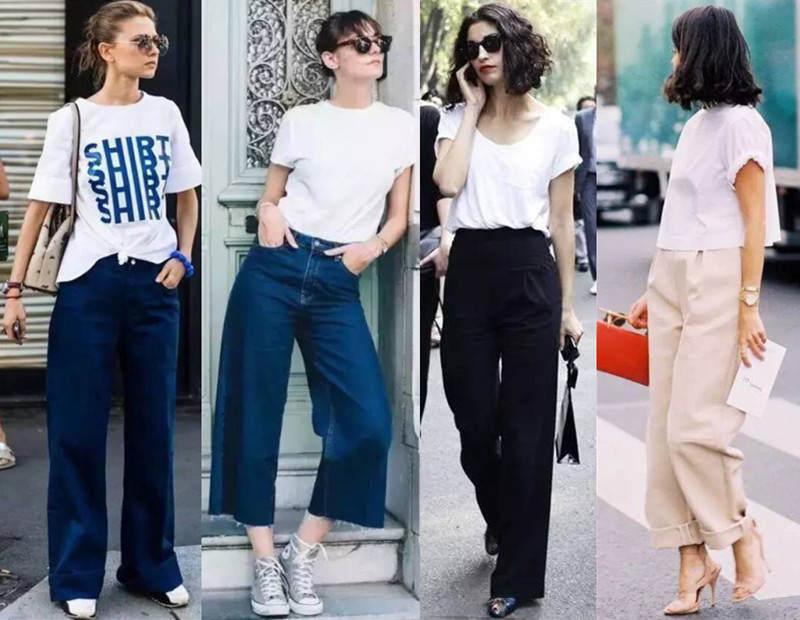
( 1) Egyptian cotton:Also called GIZA cotton. It is the best quality among all long-staple cottons. It mainly comes from the Nile River Basin in Egypt. It is called “Platinum Cotton”. The characteristics of Egyptian cotton are: bright luster, excellent toughness, good air permeability, and better sweat absorption and moisture removal than ordinary cotton. Cotton quality is much better. Egyptian cotton is mainly used in international brands, mostly for customized fabrics.

(2) Pima cotton: refers to The best extra long-staple cotton, this kind of cotton is mainly grown in the western region of the United States, the southwest, Australia and other regions. The output is sparse, accounting for only 3% of global cotton production.
(3) Xinjiang long-staple cotton: This is the best cotton in China, mainly produced in various parts of Xinjiang. It is of high quality and is a high-grade cotton fabric raw material.
2. Textile density
Spinning cotton into yarn can then be woven into cloth . Therefore, there is a difference between combed yarn and plain yarn. The thickness of the yarn and the density of the weaving determine the quality of the fabric. For any cotton, combed yarn is of better quality than carded yarn.
1. Yarn count
Yarn count refers to yarn The thickness, the higher the count, the finer the yarn, the higher the requirements for raw materials. The imperial count (Ne/S) refers to the multiple of 840 yards per pound of yarn when the moisture regain is determined. Our common T-shirts include 20-count, 40-count, 60-count, 80-count, 120-count, etc. The higher the count, the softer and lighter the fabric.
2. Density
Fabric density refers to the content of the fabric The number of yarns per unit length in the warp or weft direction is represented by M, and the unit is root/10cm. It can be divided into warp density and weft density.
3. The relationship between yarn count and density
High Count is the prerequisite for high density. The higher the yarn count, the denser the fabric can be woven. Generally, fabrics above 60S/300T can be called high-count and high-density fabrics. However, the density of fabrics corresponding to different counts is limited.
Cotton T-shirt
3. Knitting technology
Weaving technology is generally divided into three types:
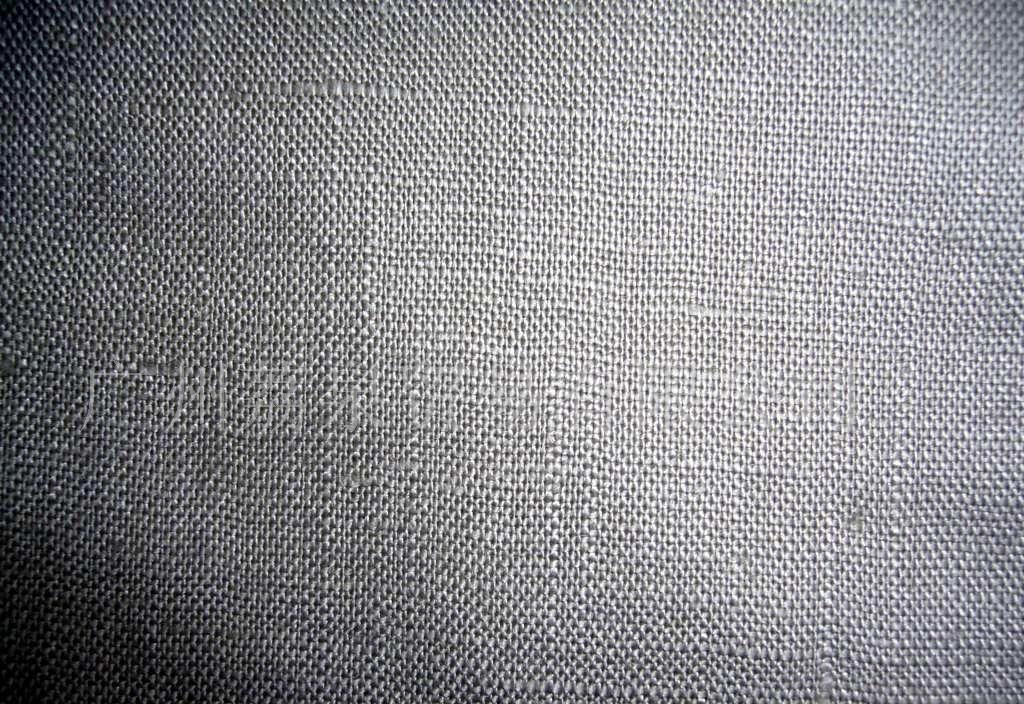
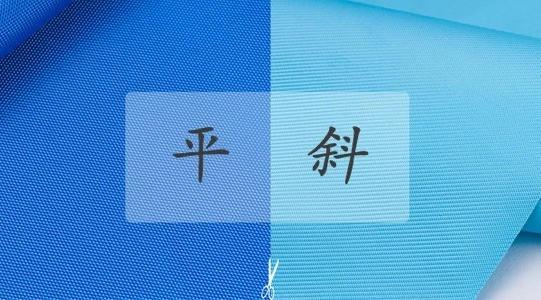
1. Plain weave:Refers to A fabric structure formed by regular interweaving of longitude yarns and latitude yarns up and down. The appearance of the front and back of this weaving process is the same, with a firm texture and a smooth surface. This process generally has a lower density and supports�At about 30 pieces, the price is relatively low.
plain
2. Twill:Twill means that the longitude yarn and the latitude yarn are interlaced at least once every two yarns. This process has fewer warp and weft interweaving points and longer surface piles. It feels soft and dense. The fabric is also relatively thick, and twill is mostly used in home textiles. Common numbers range from 30 to 60.
3. Satin: Refers to latitude and longitude The yarns should be interlaced at least three yarns apart. This fabric has a higher density than the previous two and the fabric is thicker. The fabric feels smooth and delicate and has high gloss. The pure cotton fabrics produced by this process are all high-count fabrics, which are not easy to fade or shrink. Has a satin-like texture.
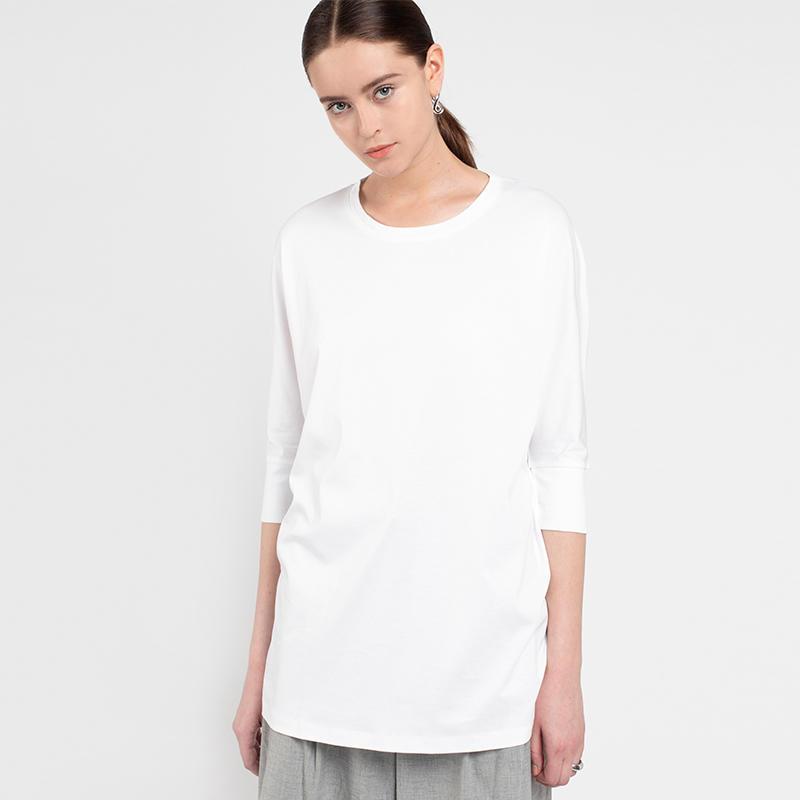
Long-staple cotton T-shirt
3. Different durability
In terms of durability, pure cotton products with different materials and different processes also have different durability. big difference. Generally speaking, satin weave has the highest durability, followed by twill weave, and finally plain weave. Therefore, there are cotton fabrics on the market with different prices, and their raw materials and processes are also different. When purchasing, you can carefully read the product introduction to choose safe, durable, and comfortable clothing.

Now you know why a pure cotton T-shirt costs 20 yuan and a pure cotton T-shirt costs 1,000 yuan. The differences between cotton T-shirts include different raw materials, different processes, and naturally different prices. There is no low price for high raw materials, you get what you pay for at any time. So when purchasing, don’t buy cotton products that are not of good quality just because you are looking for cheap~
Above.