
Although the concept of fabric count is not yet so popular, in the high-end ready-to-wear market, count seems to have increasingly become a hard indicator for measuring clothing. More and more people are choosing high-count fabrics. In their eyes, high-count is synonymous with comfort.
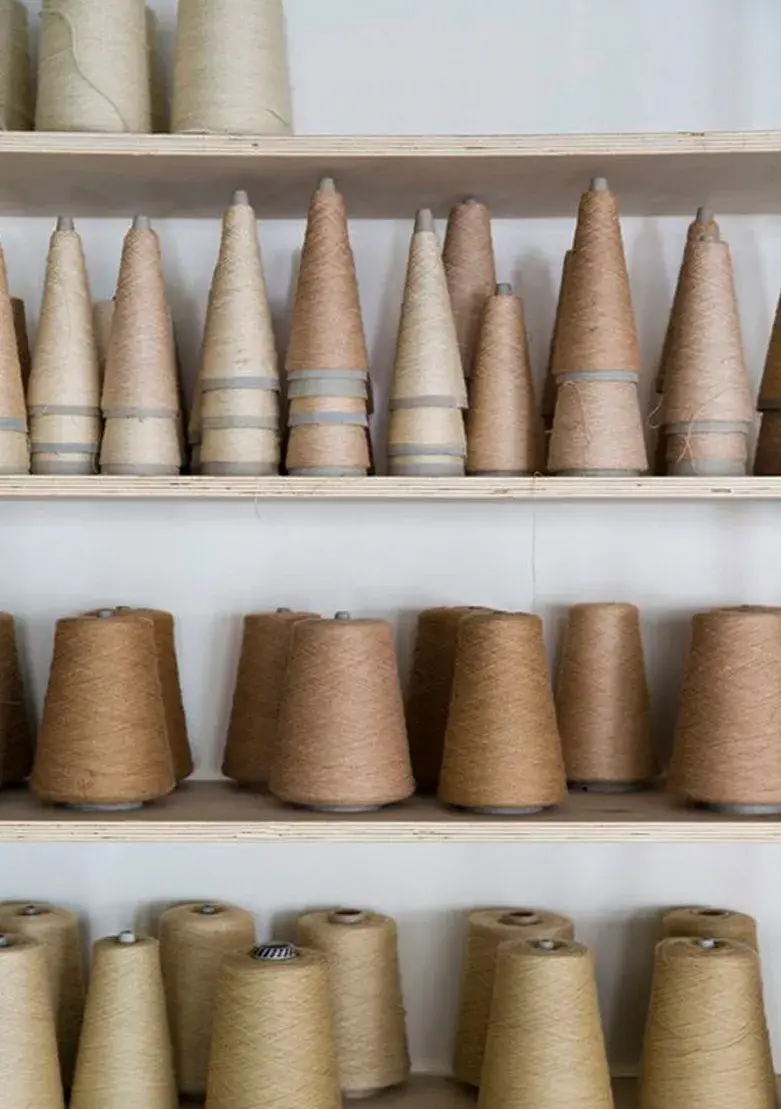
Count refers to how many spools can be wrapped in one pound of yarn, that is, how many counts. For clothing, generally 40 to 80 thread count fabrics have the best wearing experience. When it comes to where the count comes from, we have to talk about the history of wool spinning.
As we all know, Australia is known as “the country riding on the back of a sheep” because of its vast grasslands and dry climate.
Suitable for breeding and growth of sheep. At present, Australia’s wool production accounts for 1/4 of the world’s wool production, and its wool exports account for more than 1/2 of the world’s wool exports. But before the 19th century, Australians did not raise sheep. It was not until around 1795 that the first batch of 29 sheep were brought to Australia by European immigrants living in Australia. Today, there are more than 100 million sheep in Australia. It can be traced back to this group of sheep.
In the 19th century, Australia only raised sheep and did not produce wool. After the wool was sheared from the sheep, it was transported to Yorktown, England, for spinning. The count is the traditional local wool quality inspection unit in Yorkshire, that is, how much yarn can be spun from one pound of raw wool. The finer the wool fiber, the more thread can be spun to fill a spool of the same weight. The more spools a pound of wool can wrap around not only means the wool is finer, but also a softer, smoother, almost silk-like texture.
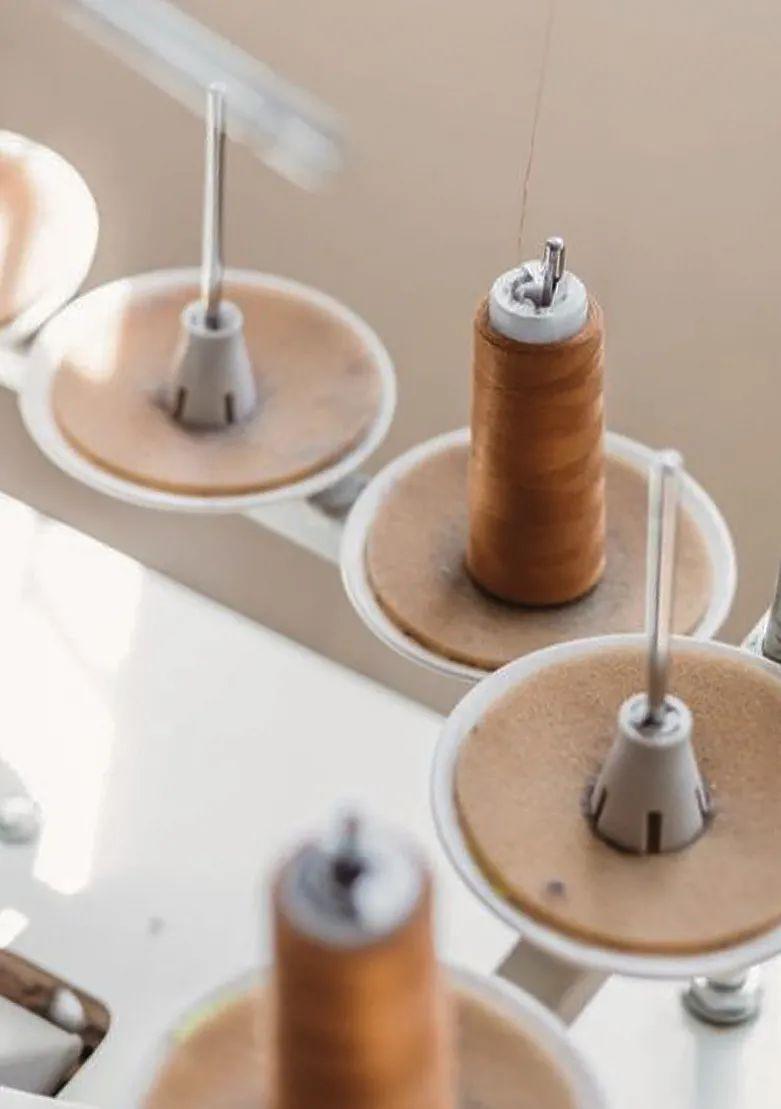
This technical term in the wool industry has gradually become a traditional fabric indicator in the entire textile industry. For pure cotton fabrics, common high-count fabrics include 40-count, 50-count, 60-count, and 80-count fabrics. The higher the count, the finer the yarn, and the smoother the fabric.
However, apart from being used in high-end shirts and high-end home textiles, fabrics with a count of more than 100 are relatively rare in other mass products, and high-end ready-to-wear brands also tend to use them. Cotton fabrics with a count of 32 to 60, and a few use 80 count. Fabrics with a count in this range have the highest wearing comfort.
It is true that the concept of count has lasted for more than two centuries, but it is still an important reference standard in the textile and clothing industry. Especially when purchasing cotton fabrics, usually only high-quality cotton can spin high-count cotton fabrics. Therefore, in the absence of more quantitative standards, the count becomes the most intuitive criterion for determining wearing comfort.