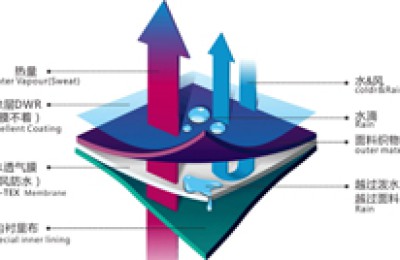

Composite fabric is a new type of material made by bonding one or more layers of textile materials, non-woven materials and other functional materials. Suitable for sofas, clothing and other textiles, it is one of the indispensable fabrics for people’s home life.
Composite fabric is made of microfiber through specific textile processing and unique dyeing and finishing, and then processed by “composite” equipment. The English name of composite fabric is: “Lamination Fabric” and “Soft Shell Fabric”. Because the composite fabric uses microfiber, the fabric has high cleaning ability, that is, decontamination ability.
Common composite fabrics
Composite fabrics apply the high technology and new materials of “new synthetic fibers” and have many excellent properties (compared with ordinary synthetic fibers), such as the fabric’s fine and clean performance , exquisite, elegant and warm, the fabric has a plump appearance, is windproof and breathable, and has a certain waterproof function. Its main features are warmth and good breathability.
Another feature of this fabric is that it has good abrasion resistance. The microfiber fabric feels soft, breathable and moisture-permeable, so it has obvious advantages in terms of touch and physiological comfort. The wrinkle resistance of the microfiber fabric Poor (this is due to soft fibers and poor elastic recovery after wrinkles); in order to overcome this shortcoming, a “composite” process was adopted, which greatly improved the shortcomings of poor wrinkle resistance of microfiber fabrics. Composite fabric is a popular outerwear fabric in Europe and America.

Classification of composite fabrics
1. Combination of woven fabrics and knitted fabrics
2. Combination of knitted fabrics and knitted fabrics
3. Woven fabrics Composite with woven fabric
Sports and leisure clothing uses knitted fabric composited with knitted fabric, which has the effect of woven fabric and good elasticity. Therefore, in the eyes of consumers of this type of clothing, it is still relatively popular and loved by the public. of.
Ordinary composite fabrics
The fabric and lining are bonded with an adhesive to improve the texture of the fabric and are suitable for process simplification and large-scale production of clothing processing.
Functional composite fabrics
The composite fabric has special functions such as waterproof and moisture permeable, radiation resistance, washing resistance, and wear resistance.
Process flow
There are 6 internationally popular composite processes, namely hot sol powder point coating composite process, hot sol slurry point composite process, hot sol dusting composite process, hot sol double point composite process, Fabrics compounded by polyurethane spray compounding technology and polyurethane roller coating compounding technology are a new type of fabric developed by the market. In short, they are two fabrics compounded together. In the past, the most common composite was the composite of suede fabric and wool. Nowadays, any fabric can be used to composite it together. The door width of composite fabrics is limited to the size of the two fabrics before they are combined, which can generally reach 145CM.
Each batch of composite fabrics must be effectively maintained. First, laminate the reverse fabric (the film is a transparent material similar to nylon film), bond it with chemical materials, and then Perform maintenance.
The longer the maintenance treatment, the better the bonding fastness to the fabric and the degree of fusion of the adhesive. Generally, domestic adhesives require three days of maintenance, and imported adhesives require five days or more. longer.
The time required for the adhesive to fully integrate into the space between the fabric and the film will also affect the subsequent bonding effect with the front fabric.