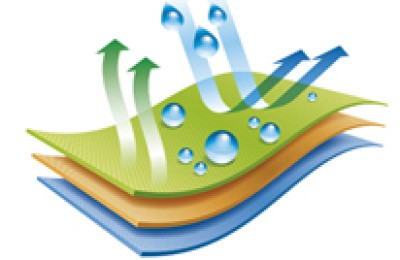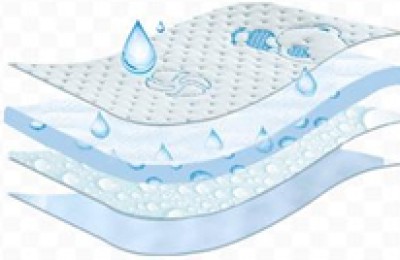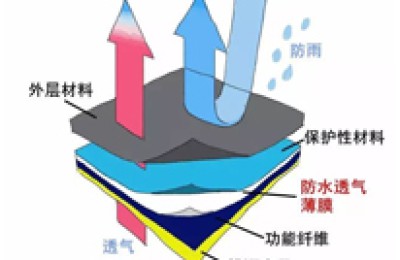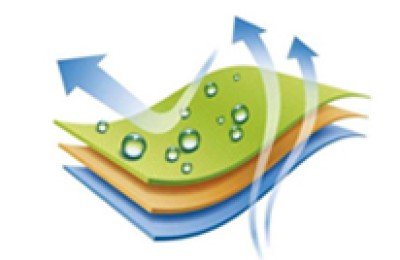

In a broad sense, waterproof fabric should mean that water does not penetrate to the other side when one side of the fabric comes into contact with water. There are generally two types of waterproof fabrics, one is normal waterproof and the other is water-repellent. Fabrics are generally waterproof because they have a coating that prevents water from penetrating.

Waterproof Oxford Cloth technology, the difference between wet and dry coating of Oxford cloth is that the primer and coating pass through the water tank, and the glue surface is solidified under the action of water, and other physical test standards are consistent with it. Wet coating mechanically fixes polyurethane and adhesive on the surface of the fabric, which is environmentally friendly. The adhesive surface can be white, silver, transparent, black, etc.

After dry coating Multi-layer processes, especially calendering, will inevitably cause the tearing strength to drop a lot, which will weaken the wear resistance and damage resistance of the garment. If it cannot meet the tearing requirements of the same variety, consider adding an anti-tear agent during the processing to improve The tear strength of the fabric, of course, this tear resistance is an environmentally friendly material.
For fabric coating, put PU glue on the cloth surface and use a scraper to evenly distribute it. You can use a weighing machine to take a piece on the left, middle and right sides of the cloth and weigh it. Then you will know the values for the left, middle and right. Eligibility. Waterproof coating series fabrics have multiple functions such as windproof, waterproof, and moisture permeability.
Oxford cloth specifications: 1680D, 1200D, 900D, 600D, 420D, 300D, 210D, 150D, etc.
Oxford cloth functional classification: flame retardant Oxford cloth, waterproof Oxford cloth, PVC Oxford cloth, PU Oxford cloth, camouflage Oxford cloth, fluorescent Oxford cloth, printed Oxford cloth, composite Oxford cloth, etc.
</p