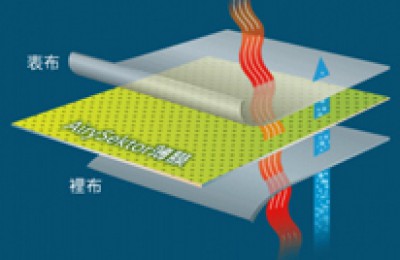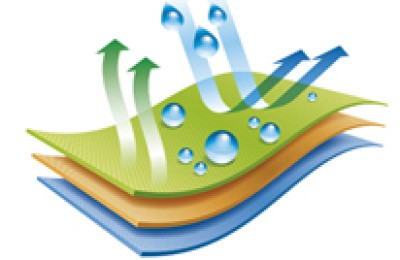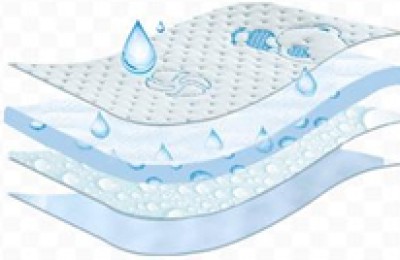

Coated Oxford fabrics are classified according to their functions and characteristics, such as: colored rubber fabrics, PVC-coated fabrics, silver-coated fabrics, calendered fabrics, flame-retardant fabrics, PA breathable fabrics, PU breathable transparent fabrics, etc. Special coated fabrics: rubber-like coating, paper-like processing, waterproof, moisture-permeable and breathable, pearlescent series, oil-wax-like coating, PU gold and silver glue, high water pressure resistance series (up to 1000—10000), UV -CUT anti-UV processing, etc.
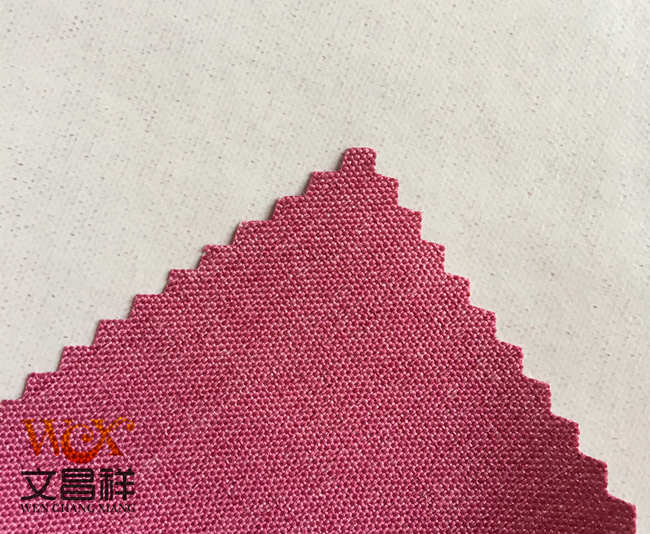
Depending on the coating material, Oxford cloth has three categories: PVC, PU and semi-PU coated fabrics. Specifically, the required coating glue particles, such as PU glue, A/C glue, PVC, PE glue points, etc., are dissolved into a saliva-like shape and then evenly applied on the cloth (cotton, polyester, nylon) using a scraper. and other substrates), and then fixed by the temperature in the oven to form a uniform layer of covering glue on the surface of the fabric, thereby achieving waterproof, windproof, breathable and other functions.
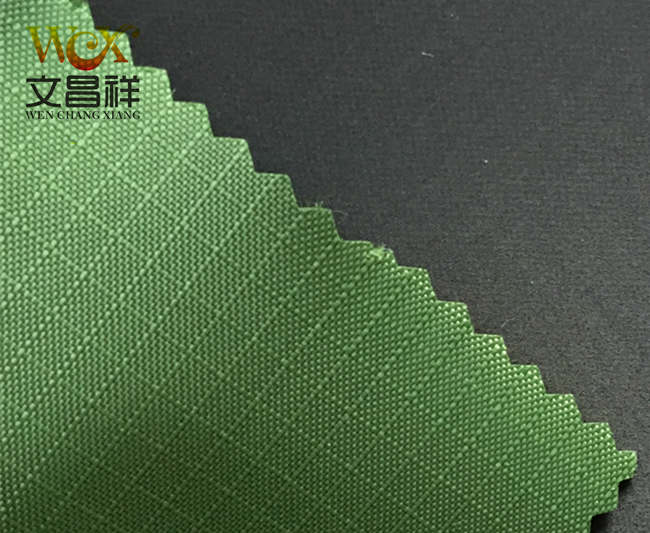
Coating Oxford fabric has a wide range of uses and is used in sportswear, down jackets, rain-proof parkas, jackets, tents, shoes and socks, curtains, bags, as well as ski shirts, mountaineering clothes, windbreakers, etc. with advanced waterproof and moisture-permeable functions. Commonly used fields include: national defense, navigation, fishing, offshore oil wells, transportation, etc.
Oxford cloth specifications: 1680D, 1200D, 900D, 600D, 420D, 300D, 210D, 150D, etc.
Oxford cloth functional classification: flame retardant Oxford cloth, waterproof Oxford cloth, PVC Oxford cloth, PU Oxford cloth, camouflage Oxford cloth, fluorescent Oxford cloth, printed Oxford cloth, composite Oxford cloth, etc.
</p